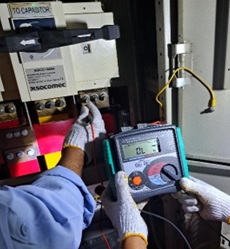

FESA (Fire and Electrical Safety Assessment)


In the case of the electrical industry, safety is critical and the codes and regulations that determine safe practices are both diverse and complicated. Employers, electricians, electrical system designers, inspectors, engineers, and architects must all comply with safety standards listed in the National Electrical Code, OSHA and NFPA 70E.
The potential for electricity to start fires, burn, shock, and even kill became quickly apparent and it was obvious that a set of guidelines was needed to reduce the likelihood of damage to both property and people.
Electrical Hazard
The electrical hazard as below:
- Improper Grounding.
- Exposed Electrical Parts.
- Inadequate Wiring.
- Damaged Insulation.
- Overloaded Circuits.
- Damaged Tools & Equipment.
- Wet Conditions.
- Overhead Power Lines.
The main hazards of working with electricity are electric shock and burns from contact with live parts. injury from exposure to arcing (when electricity jumps from one circuit to another) fire from faulty electrical equipment or installations.
Scope of Work for FESA (Fire and Electrical Safety Assessment)
-Fire Safety Audit (FSA)
Objectives: To assess the compliances of existing Fire Safety System with standard and code (NFPA).
- To check existing Fire Safety Protection System
- To check implementation of SOP of Safety Drill
- To check the Fire Safety Management system
- Functional Test for existing Fire Safety Protection System (if necessary)
-Electrical Safety Audit (ESA)
Objective: To perform Inspection and Testing at The Building for Electrical System.
- We will offer a responsive and personalized service to check the electrical wiring system. Several tests on the installation have to be conducted to ascertain that the wiring circuit and connected appliances are safe to use.
- The following test shall be conducted:
- Visual inspection for electrical installation
A Visual Inspection (VI) for electrical installations is the process of visually examining an electrical installation to identify any signs of damage, deterioration, wear and tear, or improper installation. - Voltage & current checking on the panels
Voltage & Current Checking on an electrical panel is the process of checking the voltage and electric current on an electrical panel to ensure that they are within safe limits and in accordance with standards. - Thermal imaging check on the panels
Thermal Imaging Check on an electrical panel is the process of checking an electrical panel using a thermal camera to detect any abnormal heat that may indicate a problem with the electrical components. - Socket testing
Socket testing is the process of checking electrical sockets to ensure that they are functioning properly and safely. - Earthing check
Earthing check is the process of checking earthing/ grounding systems to ensure the grounding system is functioning properly and safely.
Standard Reference
- SNI 0225 2011 [PUIL 2011]
- PUIL2020; 2023
- Labor Ministry Regulation (Permenaker No. 12 2015) has changed to no 33 2015
- IEC 60364; 61140; 60479; 61291
- NEC
- NFPA 25
- NFPA 75
- NFPA 70E
- Etc.